Roman Minin
OPTIMISM
27 Dec 2025 - 18 Jan 2026
Pixel Bookstore, Inter Art Center, 798 Art Zone, Beijing
Born in 1981 into a miner’s family in Donetsk, Roman Minin revealed his artistic talent at an early age. While studying at the Kharkiv State Academy of Design and Arts, Minin received systematic training in monumental art, began taking on large-scale public projects, and embarked on a professional artistic career. He founded the Kharkiv Street Art Festival; exhibited and held solo shows across Russia, Italy, the UK, the United States, France, Belgium, and other countries; was featured by Forbes magazine in 2015 as one of the ‘most promising artists’; and saw his works enter international institutional and private collections. Through art alone, he built his career from the ground up, establishing studios, an art hub, and a close-knit creative team in Kharkiv. Until 2022, Minin was unquestionably a mature artist with a clear trajectory and growing momentum.
‘But now that page has been turned.’ After leaving Ukraine, Minin arrived in Belgium as a refugee and settled in a former mining area. The industrial remnants there reminded him of his hometown Donbas—a region long described as dirty, backward, useful only for extraction, and disposable once depleted.
Miners have always been the central subject of Minin’s practice. In his eyes, the miner is a figure of information extraction. Across his works, he repeatedly establishes and reconstructs the miner’s image, producing a series of figures that are heroic, even deified. For Donbas, this may represent an attempt to halt its symbolic descent; for humanity, destined to venture beyond Earth and build new worlds elsewhere, the miner’s ethos takes on a more universal significance. This is what Minin hopes for, and what he believes.
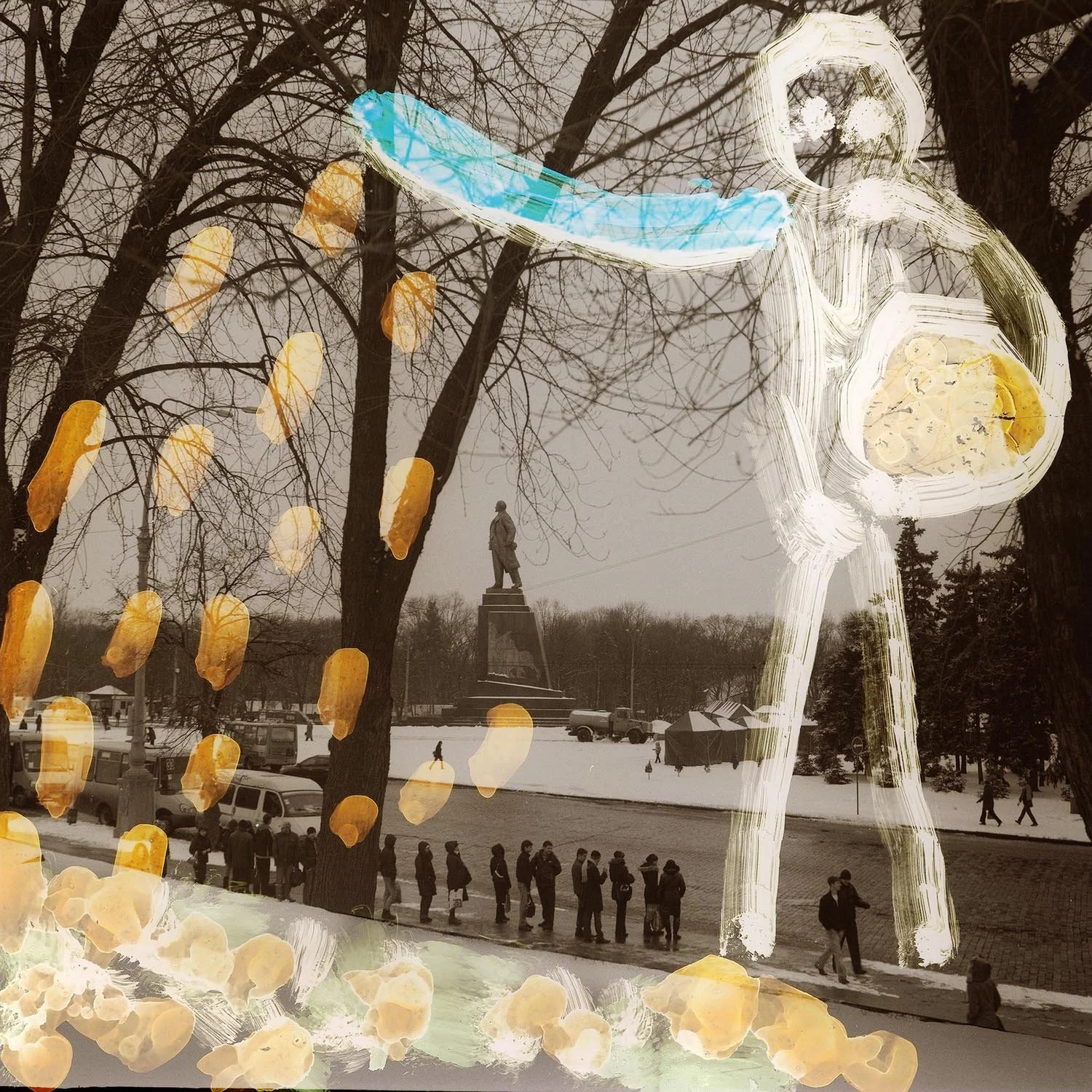
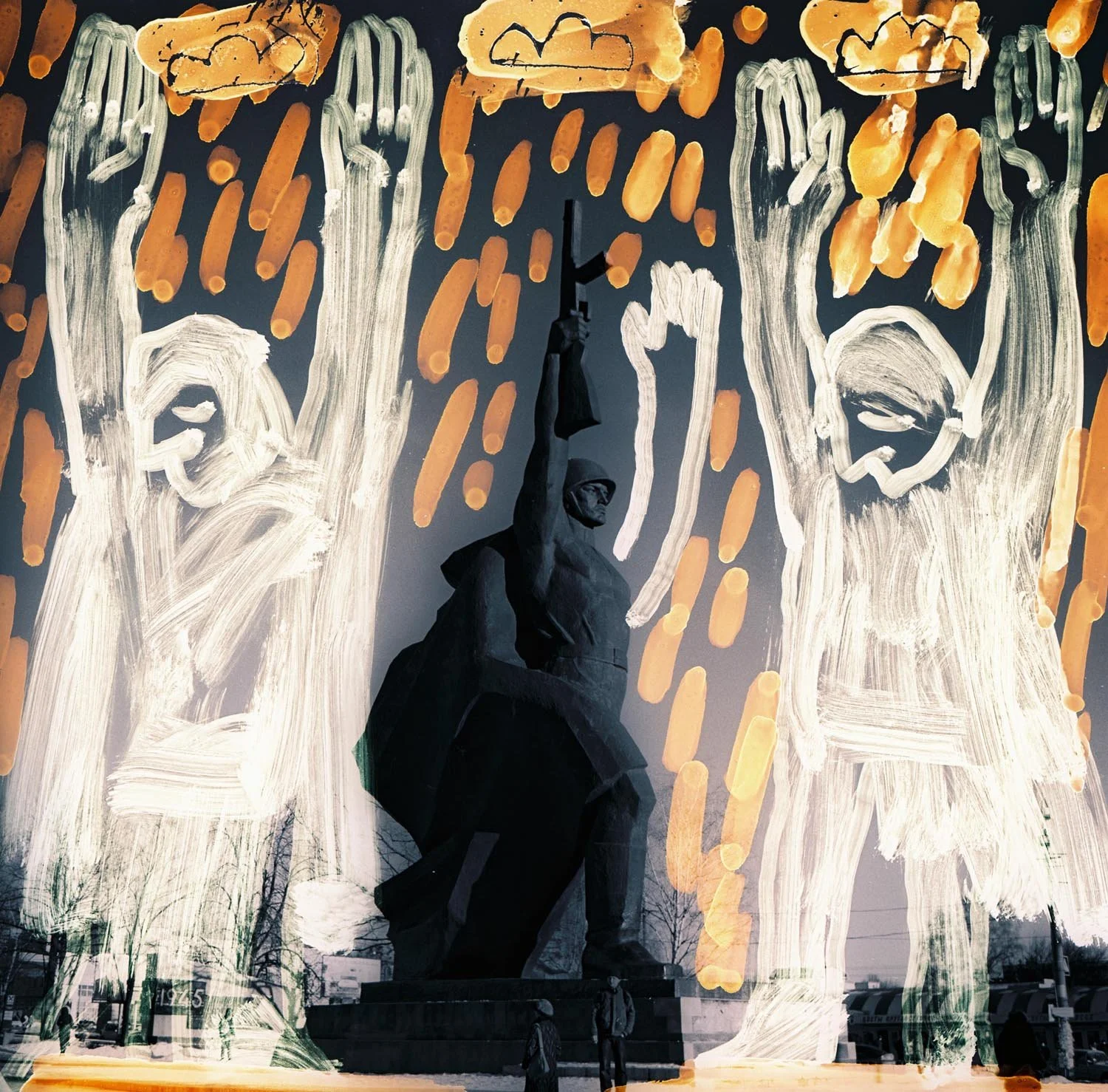
Visually, his works are marked by vivid colours and dense compositions, combining the solemnity of religious painting with a sly sense of humour, and largely drawing on the visual grammar of socialist realism. Minin has been candid about the fact that his work no longer sells easily in Europe and that commissions are difficult to secure: ‘The Europeans don’t like this style; maybe they think it’s too political.’
Indeed, socialist realism is not merely an aesthetic style, but a visual methodology that was once institutionalised and enforced by the state, and which still carries an authoritarian residue more than three decades after the collapse of the Soviet Union. Yet to understand Minin’s work solely through this lens would be insufficient. Rooted in the formal lineage of classical monumental art—through which labour and collective experience are dignified and celebrated—this methodology, once detached from its original ideological framework, leaves behind not dogma but a still-operative visual syntax. Minin chooses to reactivate this syntax from below, across a historical rupture, reconfiguring it as a kind of interface through which a region that has been systematically deprived of its future in contemporary narratives can be reconstructed. As a result, the miner in his work is no longer simply an industrial labourer, but a post-industrial figure, moving through the extraction of spirit, memory, and knowledge. The socialist realist elements in his practice thus articulate an anti-hegemonic stance: an attempt to write the future that Donbas should have been allowed to imagine.
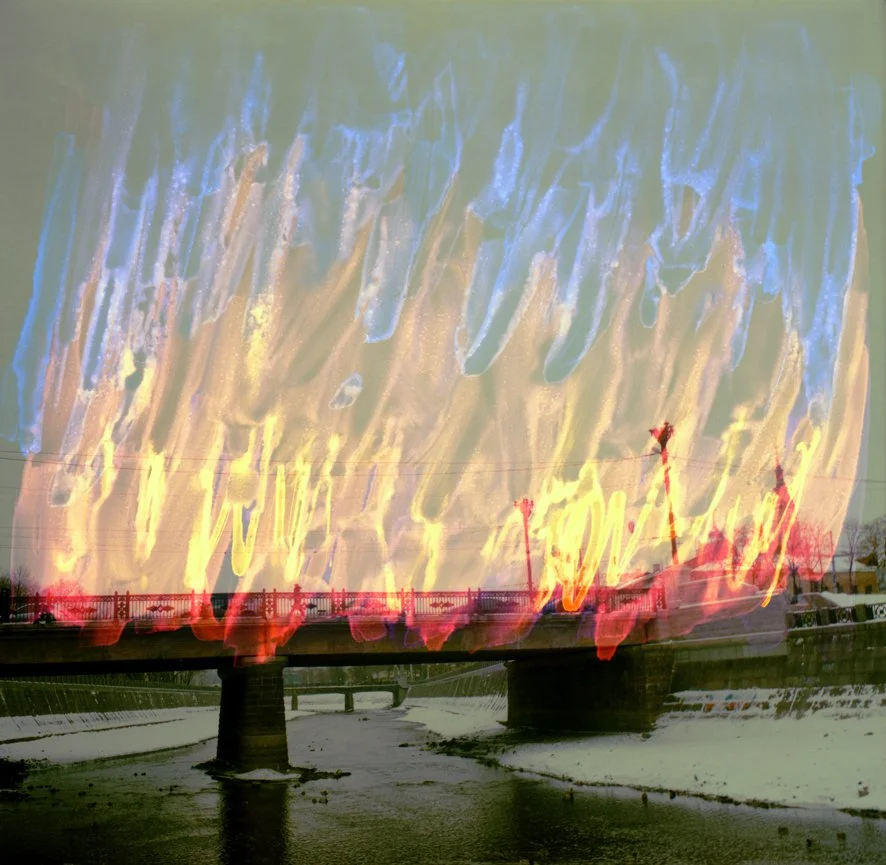
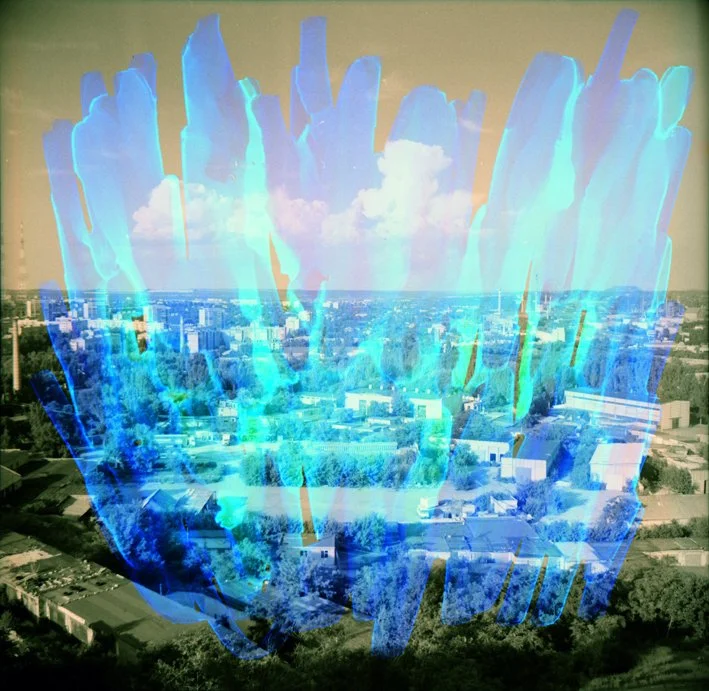
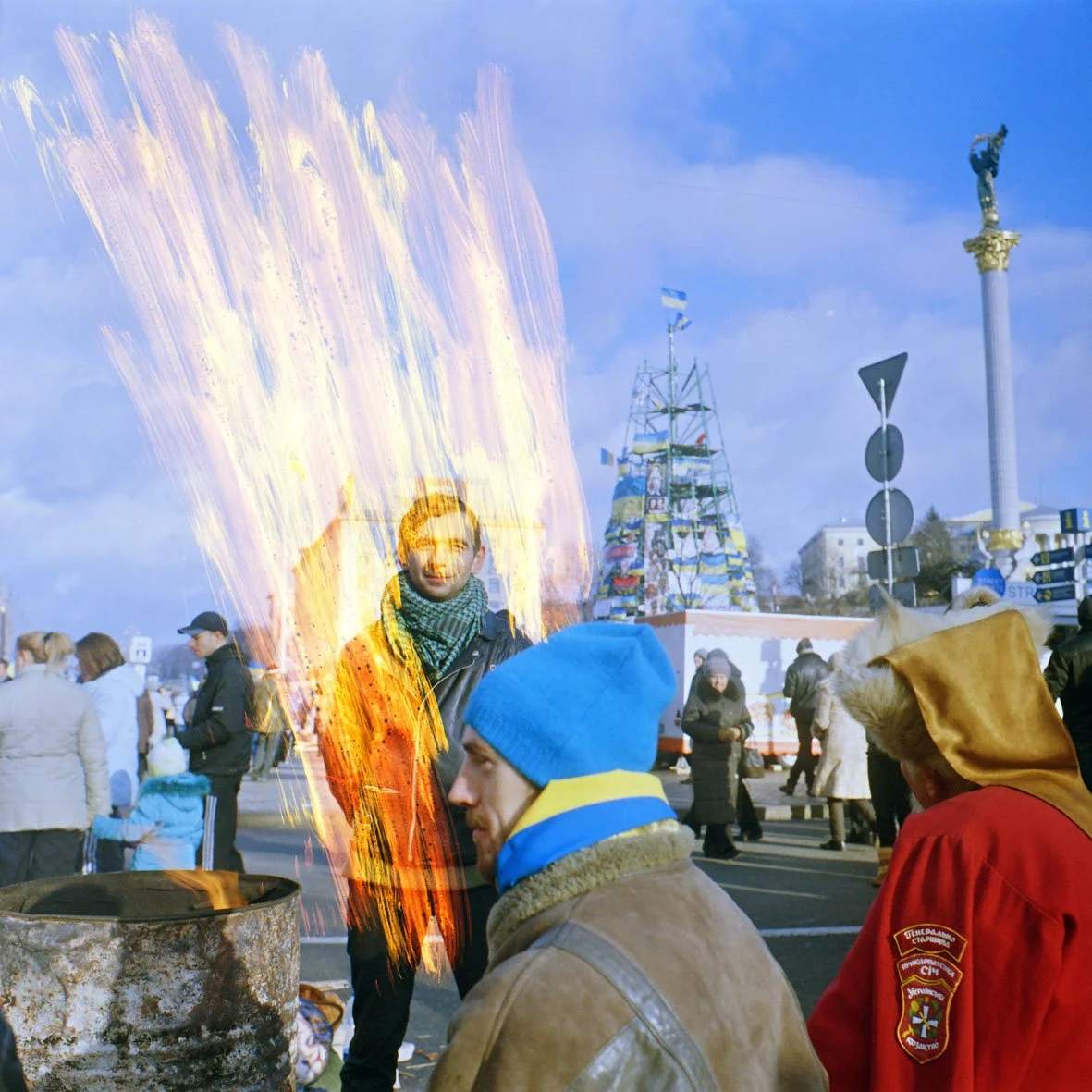
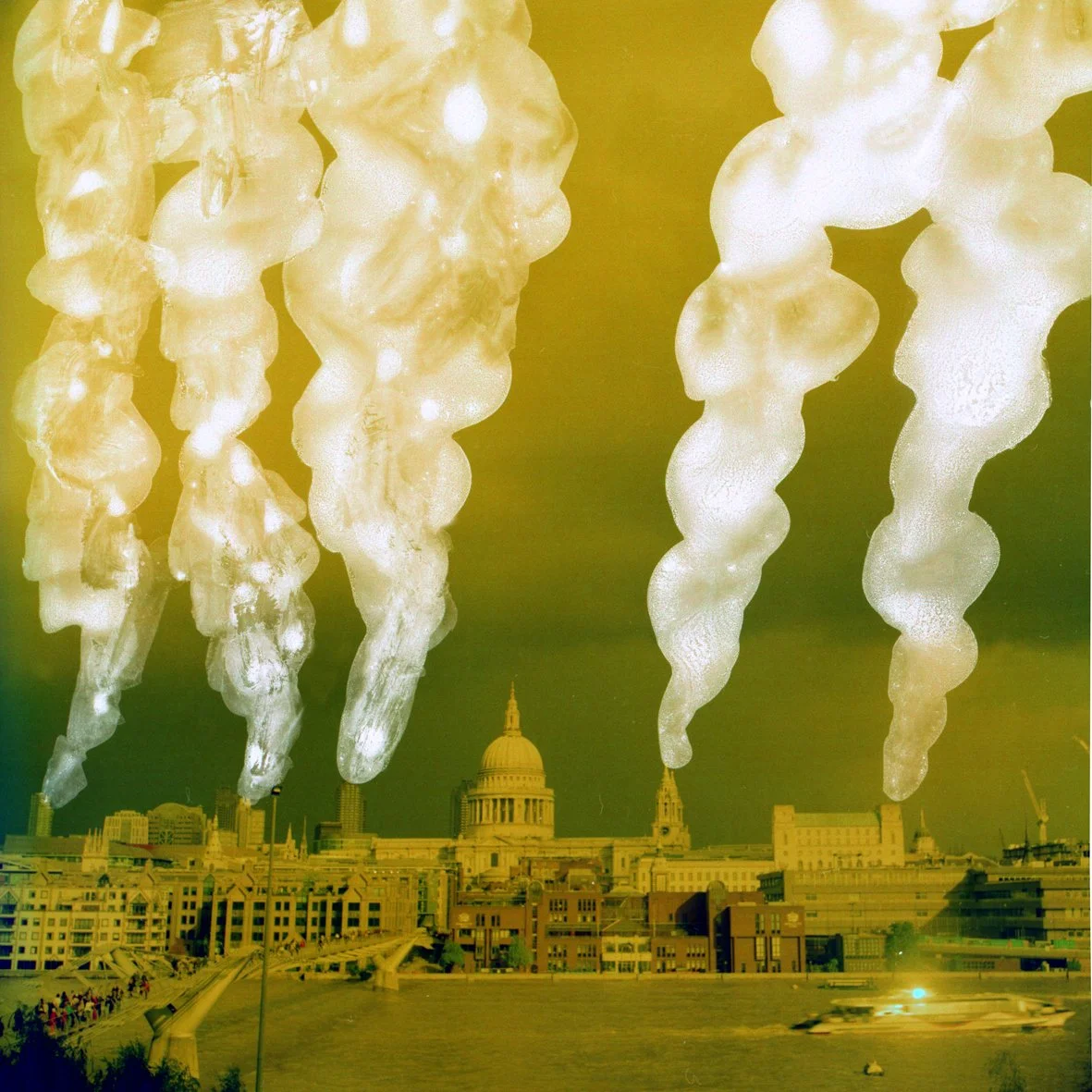
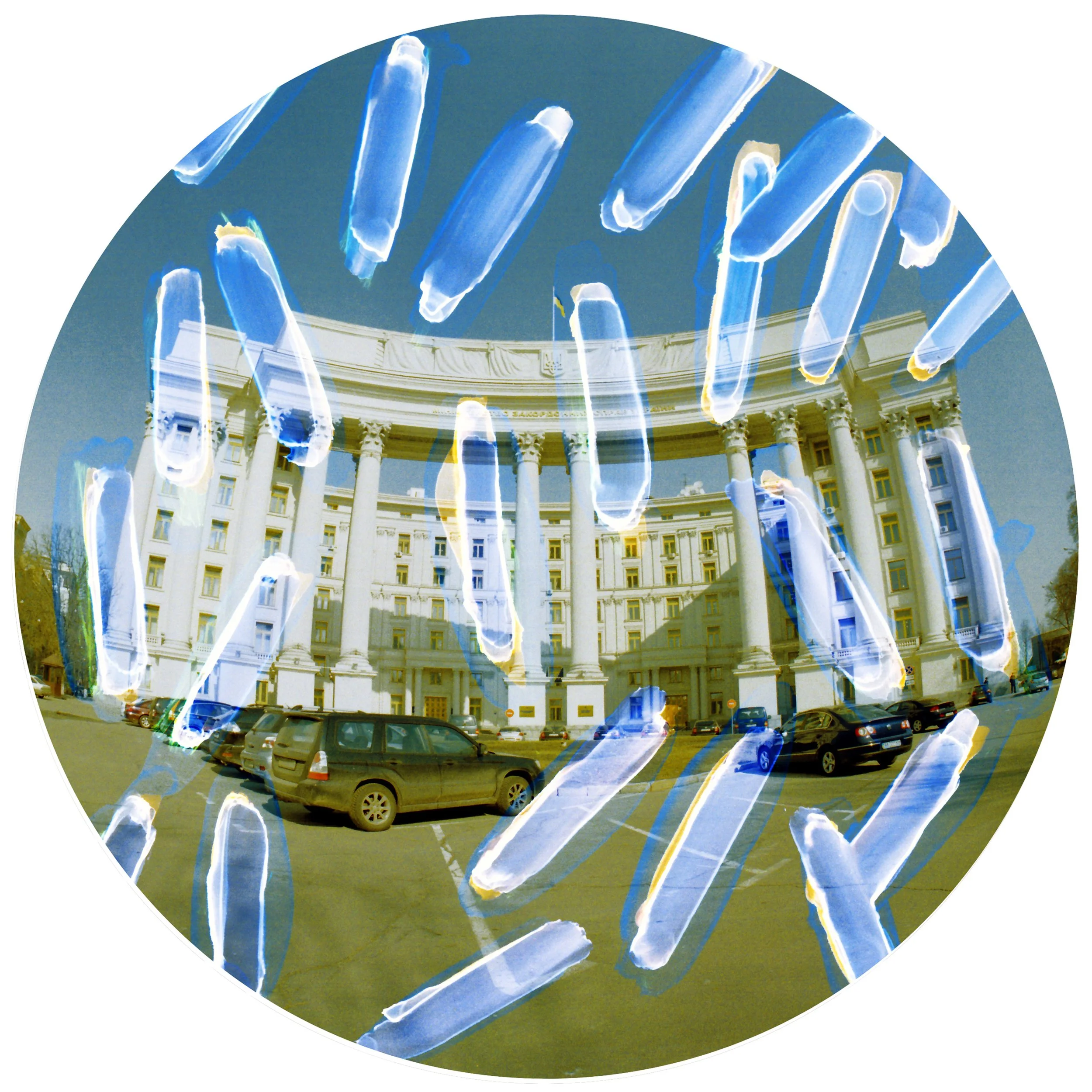
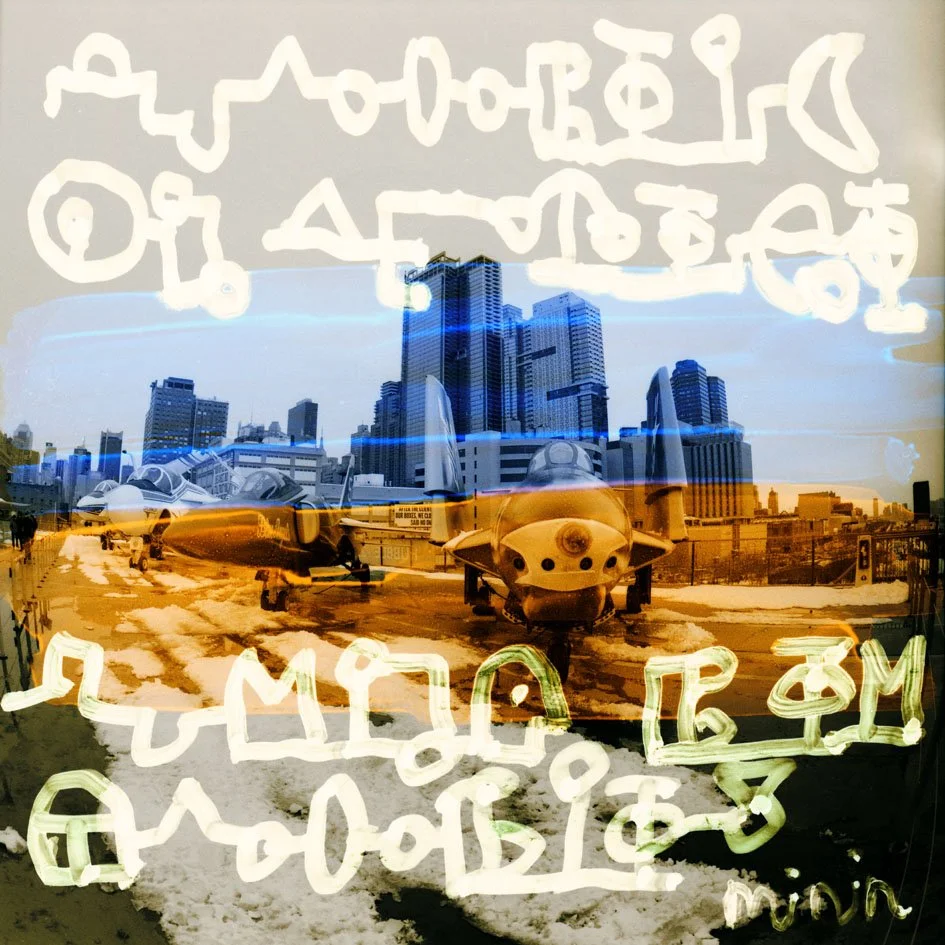
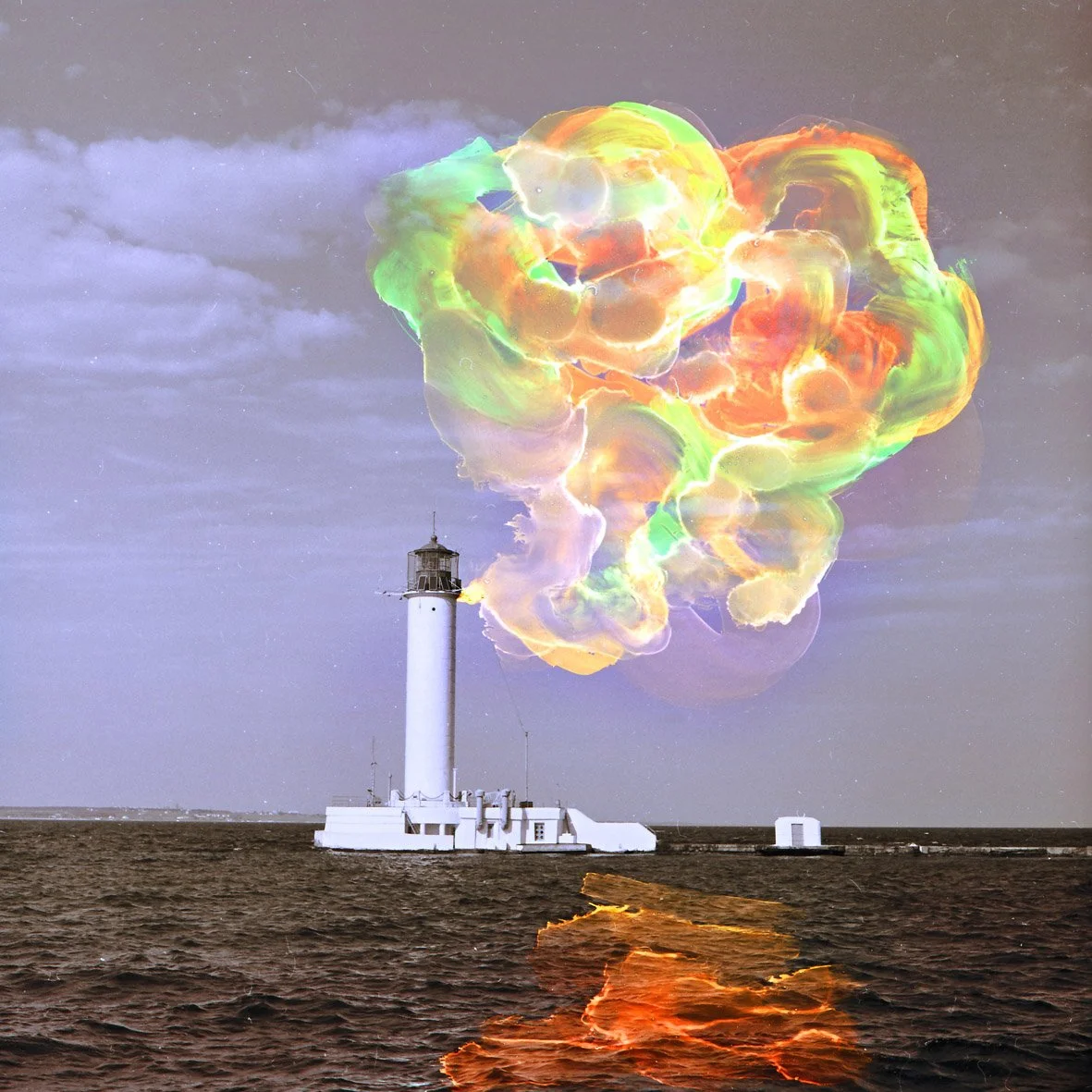
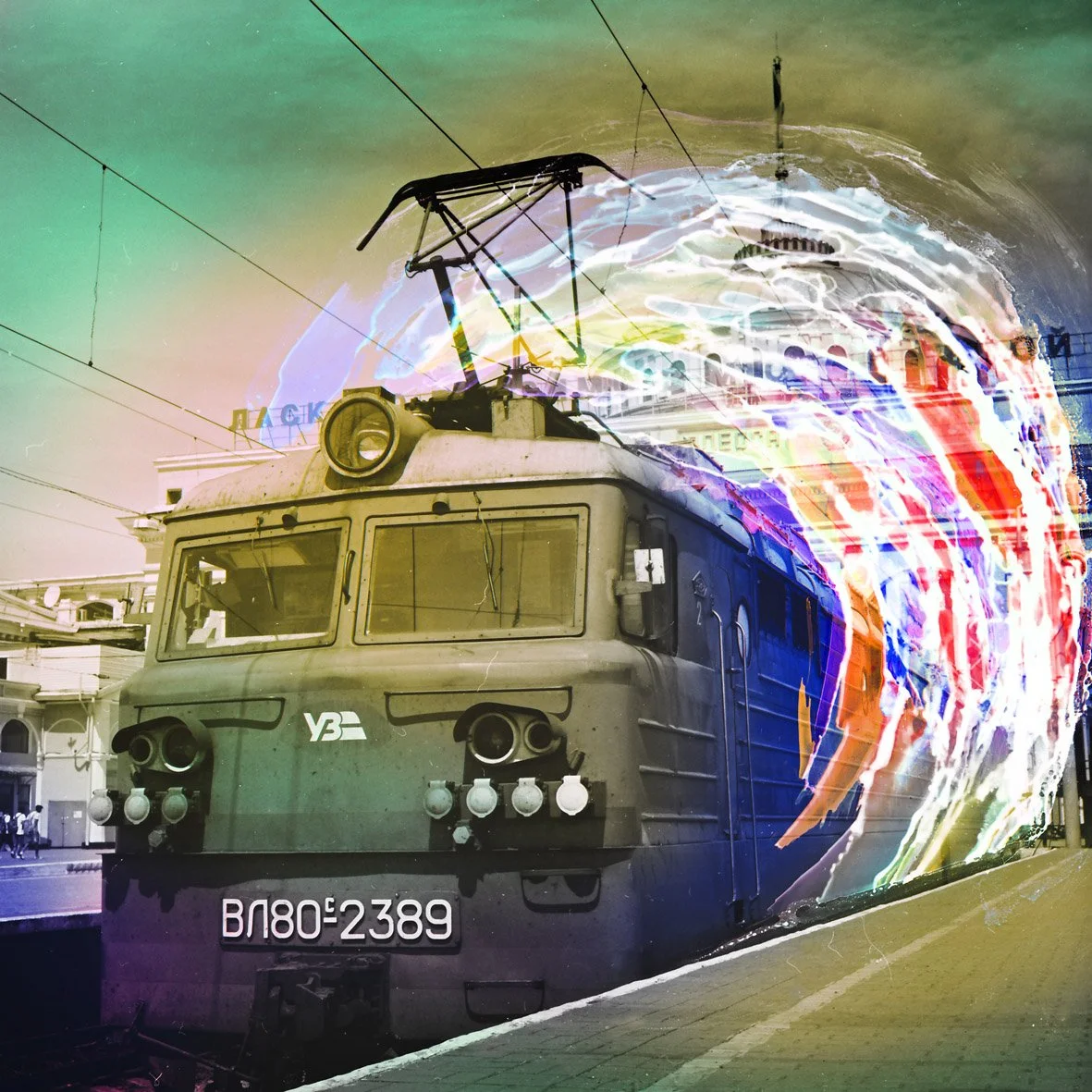
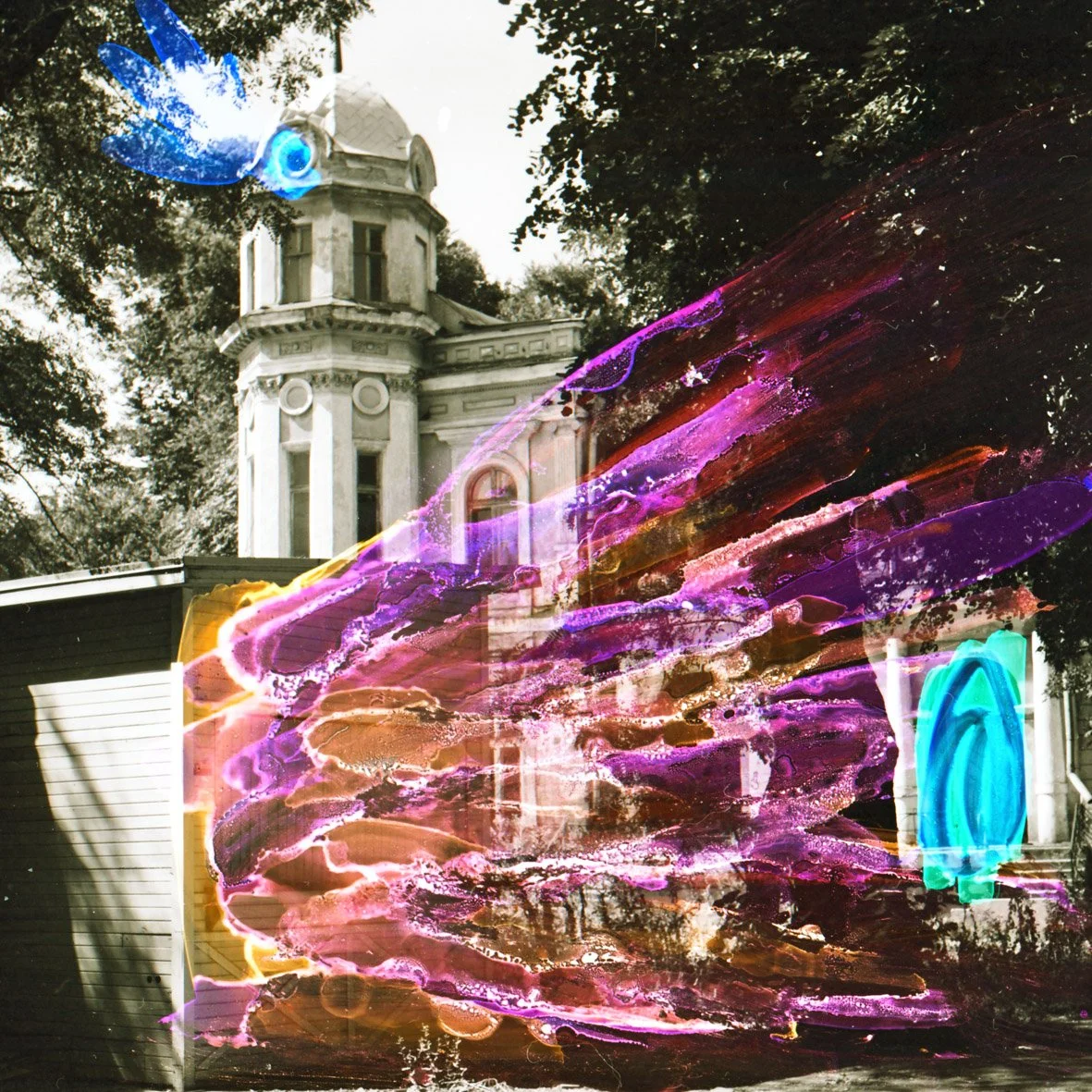
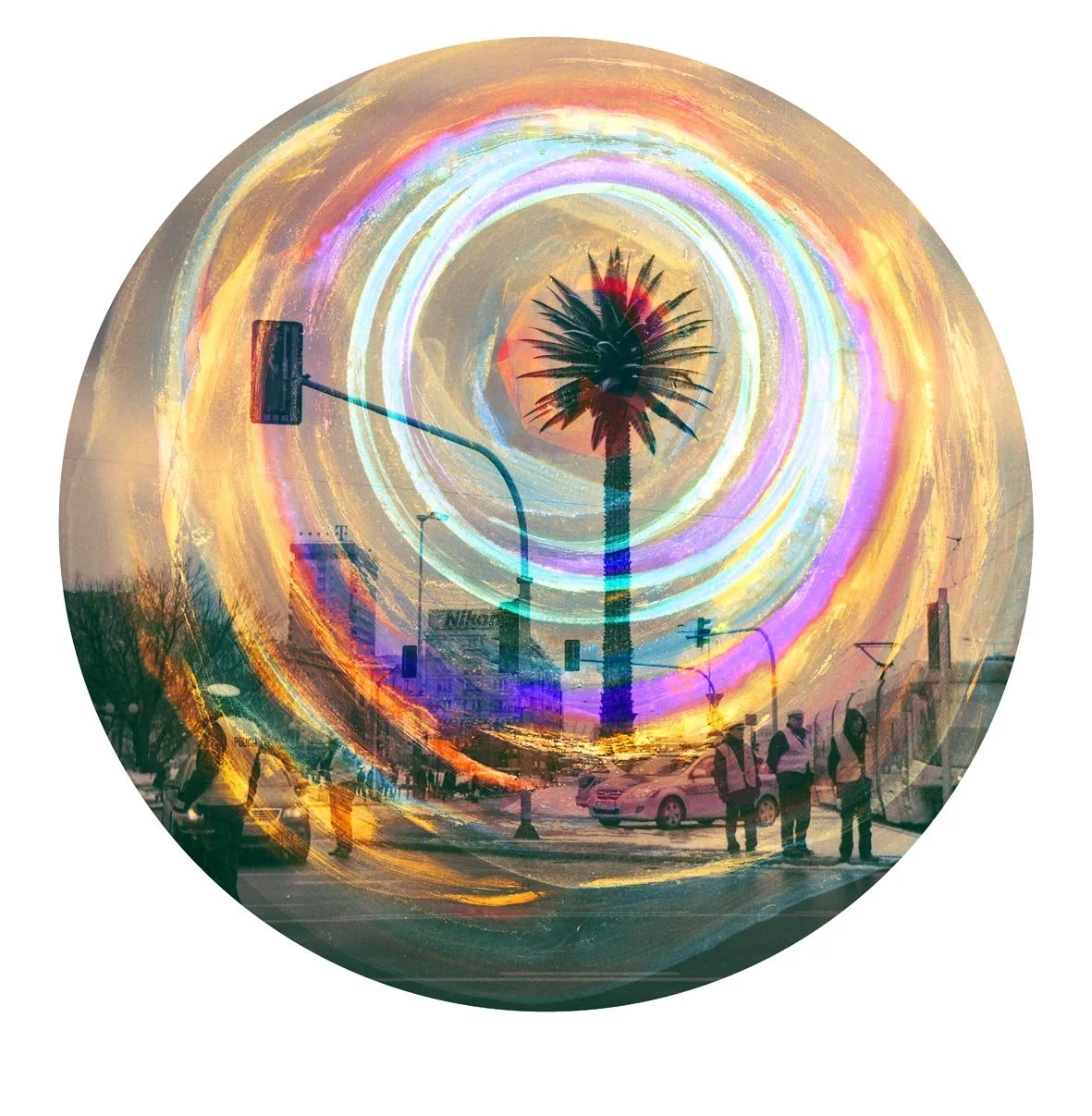
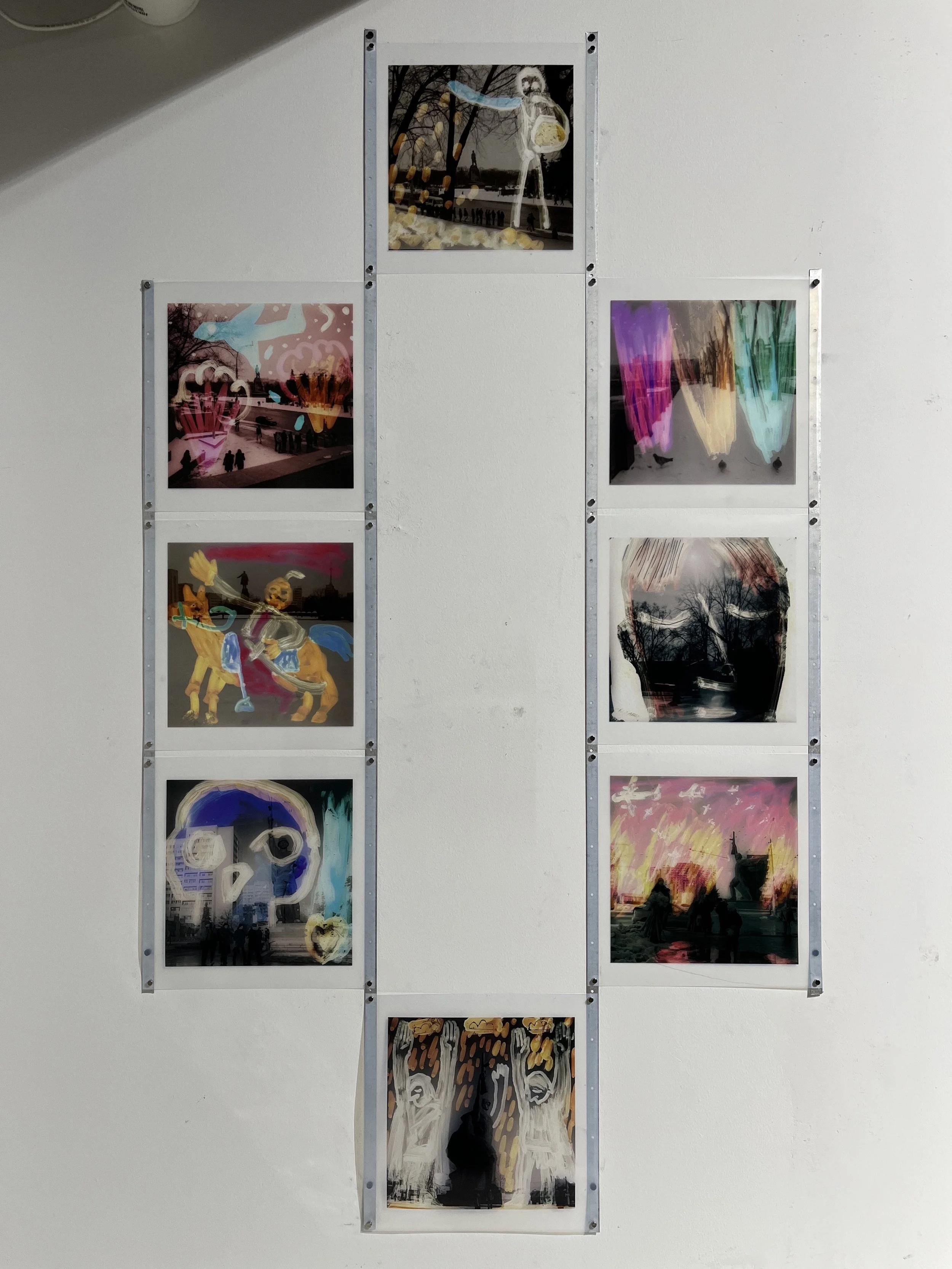
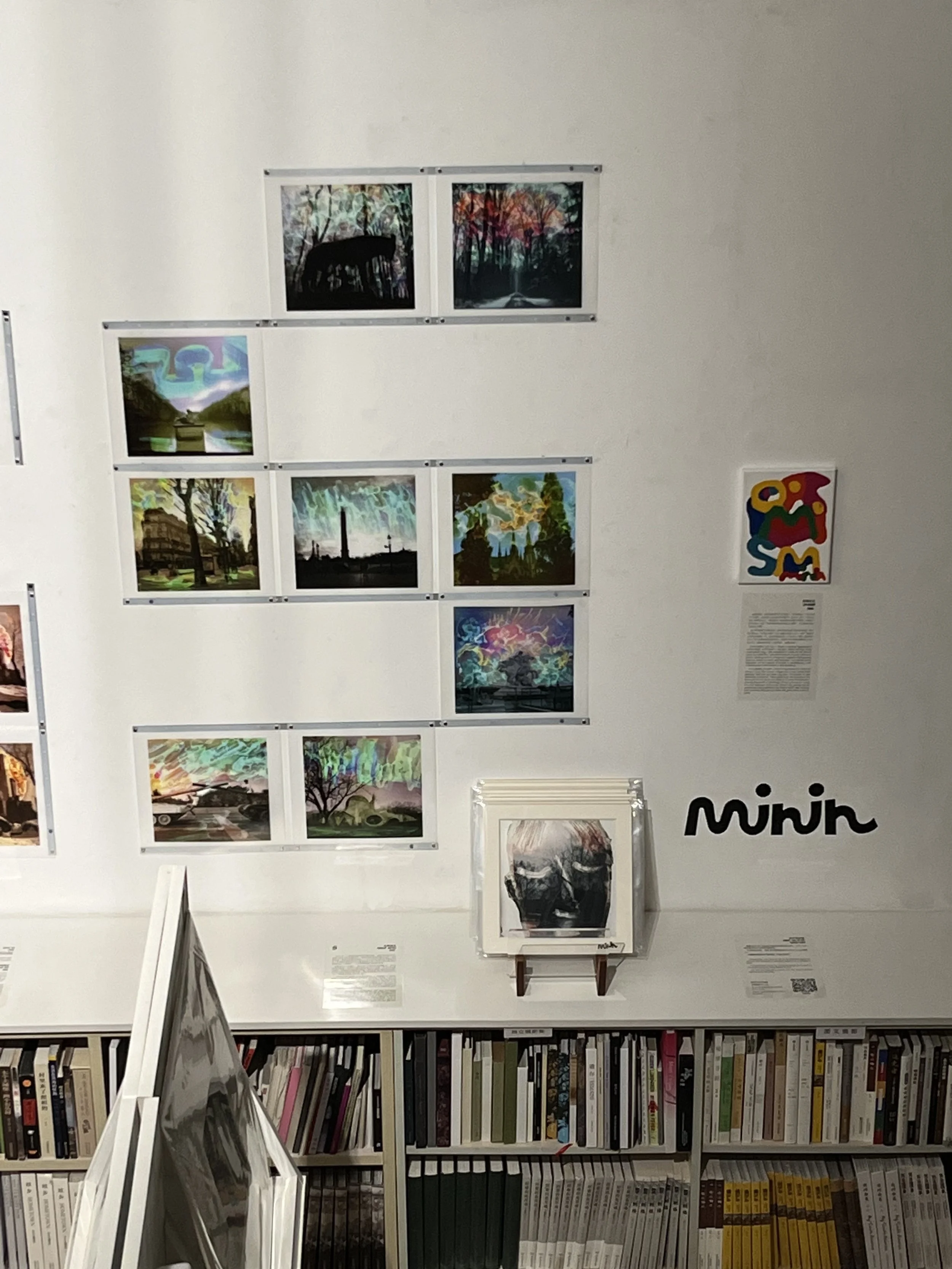
Beyond the miner series, many of Minin’s works also point toward the future. To him, the future feels as real as the present. He describes his way of making the future visible as ‘augmented reality‘: sometimes realised through smart devices, though he prefers to work through photography and drawing. In 2010, he dreamed of drones sweeping across the sky, of cities devastated and permeated by the horror of war. He awoke with relief—thankfully, it had only been a dream. He took his camera onto the streets of Kharkiv, photographed the city in its calm state, and then drew the dreamed scenes onto the images with marker pen, completing Dreams about War. From that moment on, he began persistently tracking the latent anxieties and fractures embedded in social psychological structures, translating these as-yet-unnamed premonitions into visual rehearsals of the future. War and ‘aid’, movements and sacrifice, viruses and pandemics—events later confirmed by the news were, to Minin, anything but unprecedented.
‘Much of my writing has to do with the fatalism and foreboding of war. In my work I have made some predictions of what I think is going to happen in the near future. One of the tasks of my creativity is to find the mental reasons for what will happen. A deep understanding of the mentality of Eastern Ukraine gives me the opportunity to guess about something and portray my guesses in different art directions.’
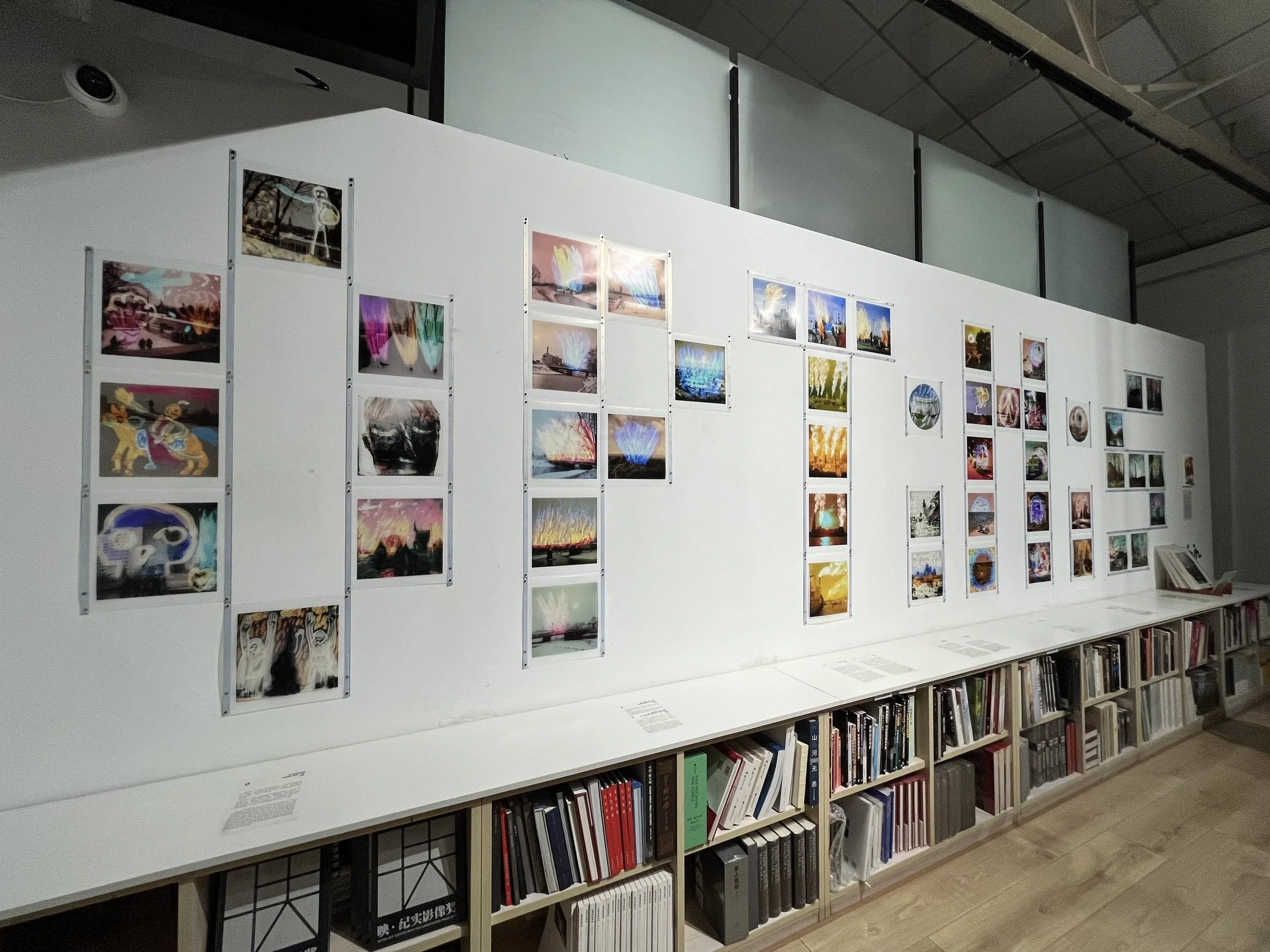
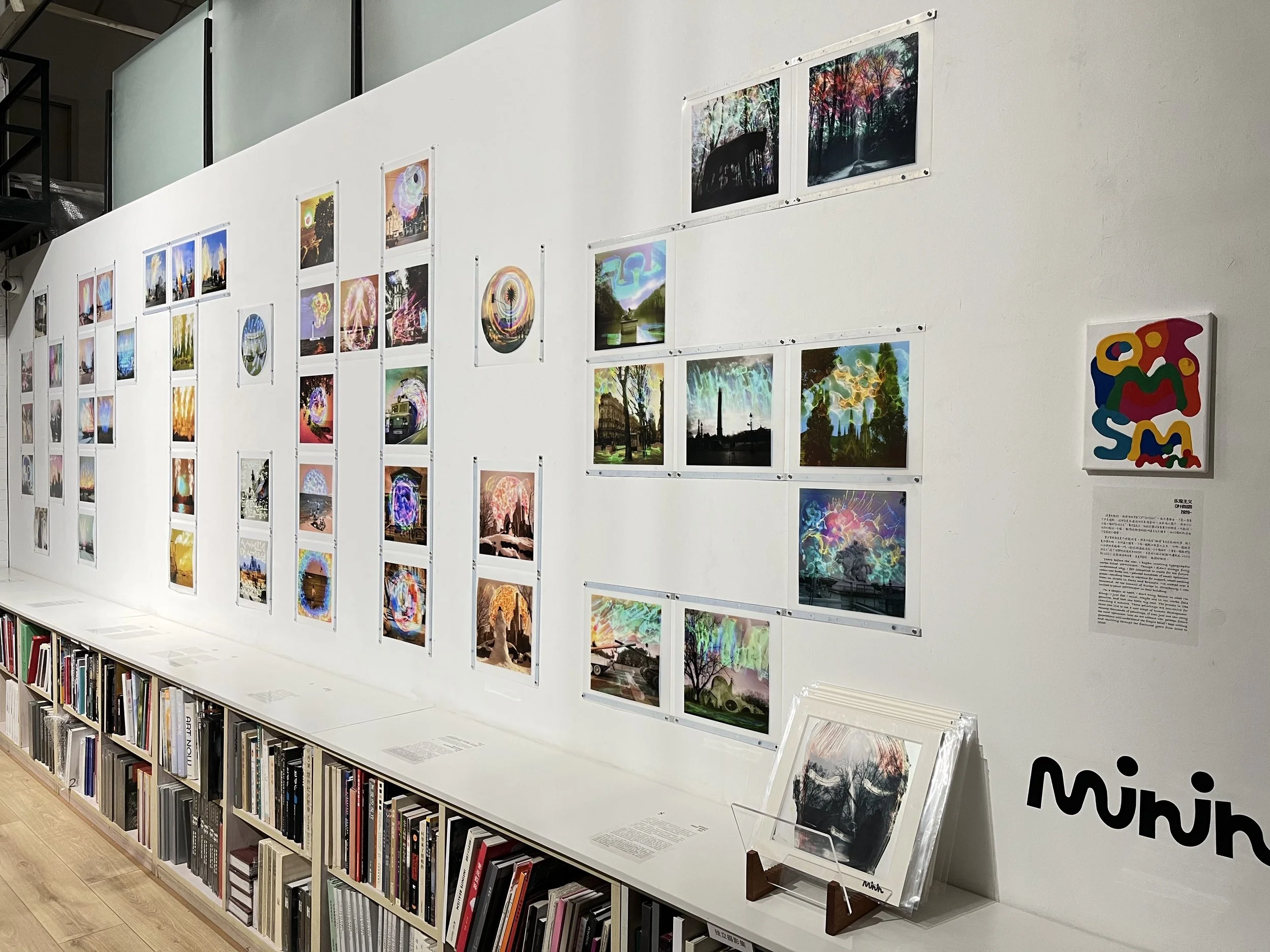
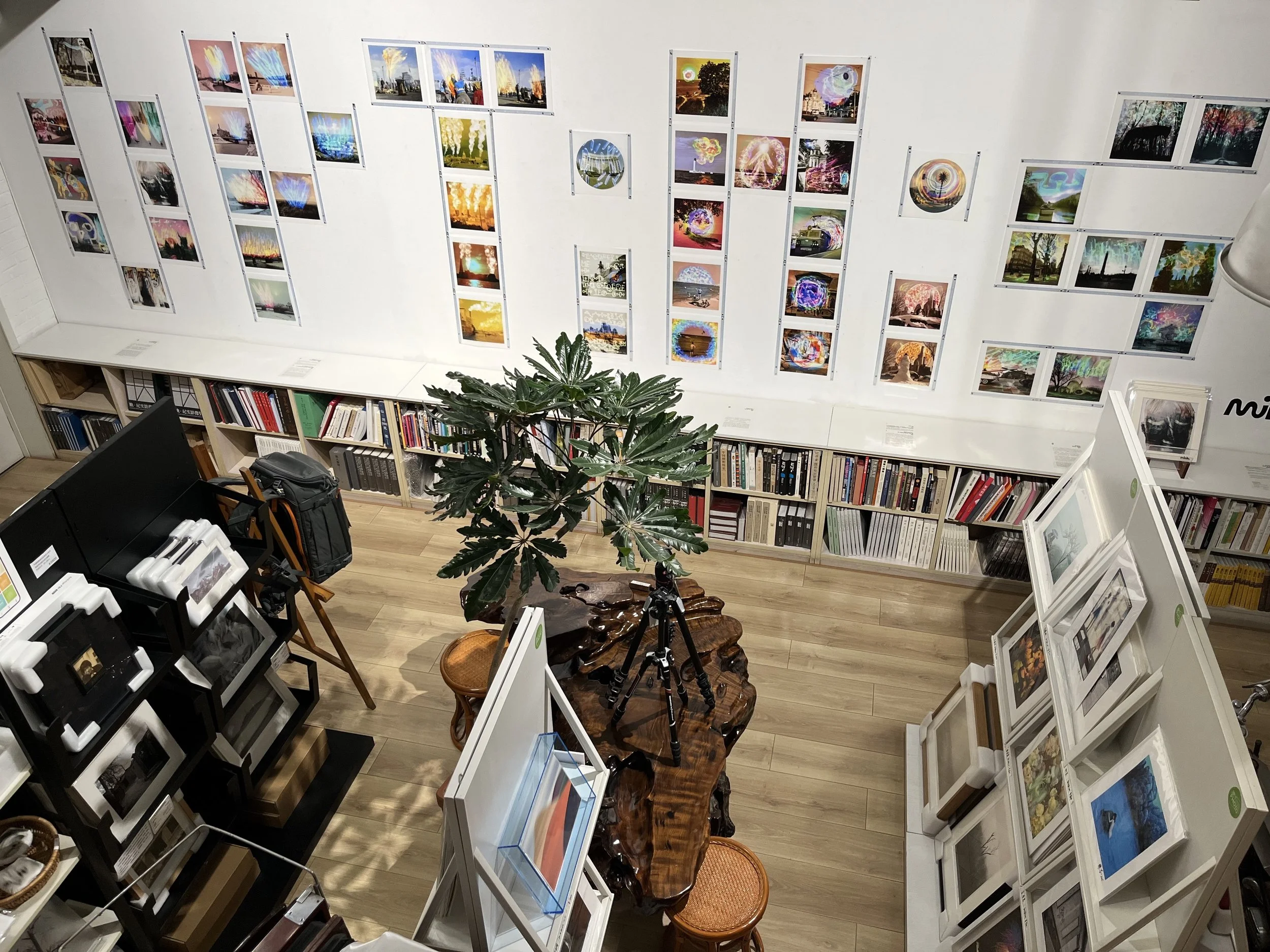
This exhibition presents 49 photographic works by Minin produced between 2010 and the present, spanning 11 thematic series. The exhibition title, however, is not drawn from any one of them.
When I met Minin for the second time, he gave me a small painting. It began as a compositional exercise intended to de-style his work; as he continued, he felt these small paintings might be useful to others, and so he kept making them. He hung them in the street, gave them to passers-by, to friends, and to soldiers at the front. Each painting bears only a single word: ‘Optimism’. He said:
‘I'm a huge skeptic. I don't believe in what I'm doing; I just feel like I have to. Perhaps I sometimes believe in every tenth picture, and it heals my soul. This process is like reciting mantras. So, I believe these paintings are a wonderful souvenir for those who live to see a new stage in human development. We're once again going through a time of war and world re-division. Not everyone will live to see another period of peace. But for those who are lucky, this painting on the wall will sparkle with new colours and meanings.’
When I proposed ‘Optimism’ as the exhibition title, Minin immediately grasped its ‘meta-humour’: the scenes in the photographs were once real, but no longer exist; the futures sketched in just a few strokes did not exist then, yet have since come true; what we take to be a movement toward the future often turns out to be a return to the point of departure. Within this exhausting and dispiriting historical loop, optimism is no longer a conviction about the future, but a refusal to abandon imagination—a determination to keep drawing it precisely when everything else urges us to give it up.
Hedyah Song
26 Dec 2025
Works from the Exhibition
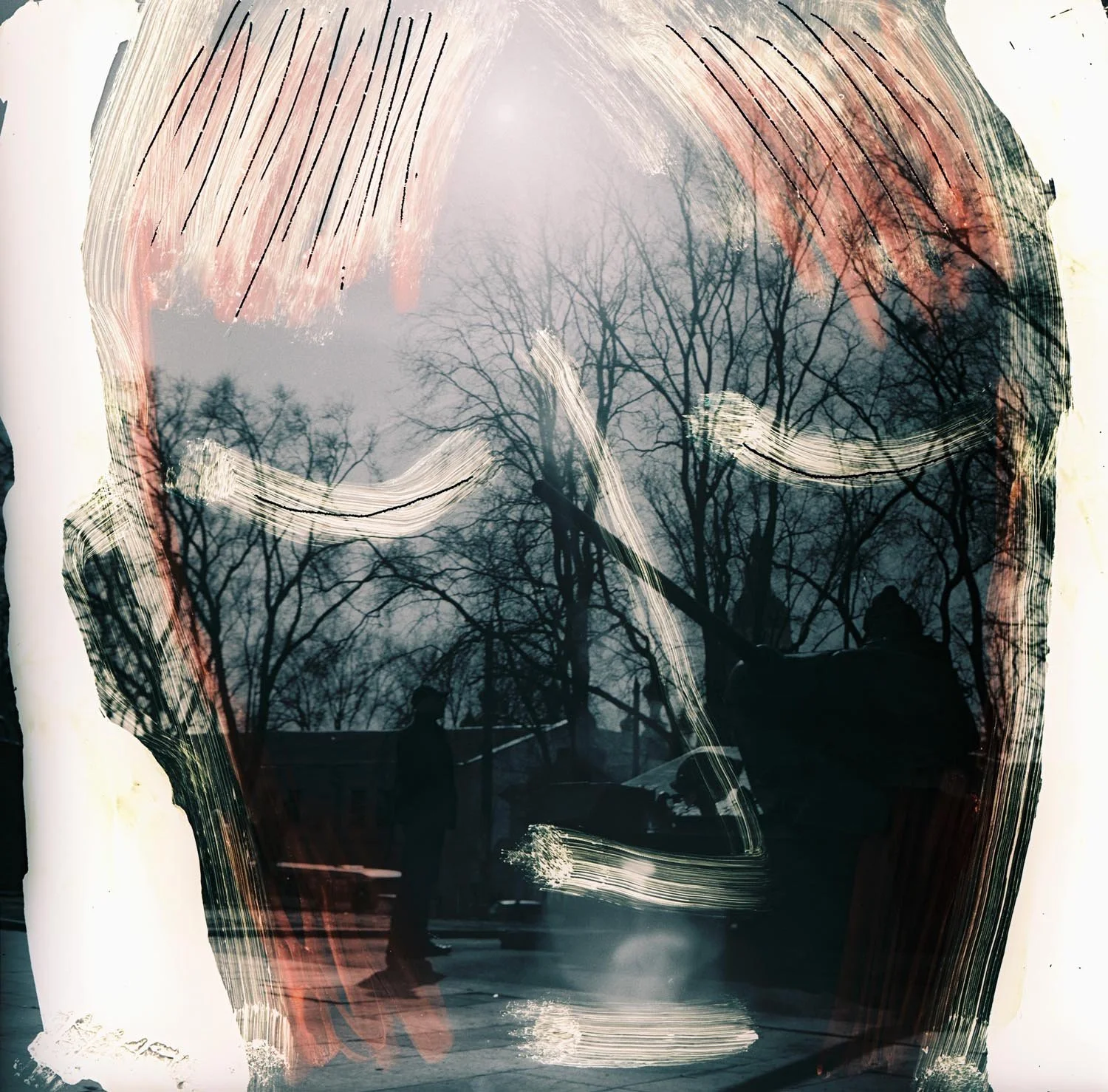
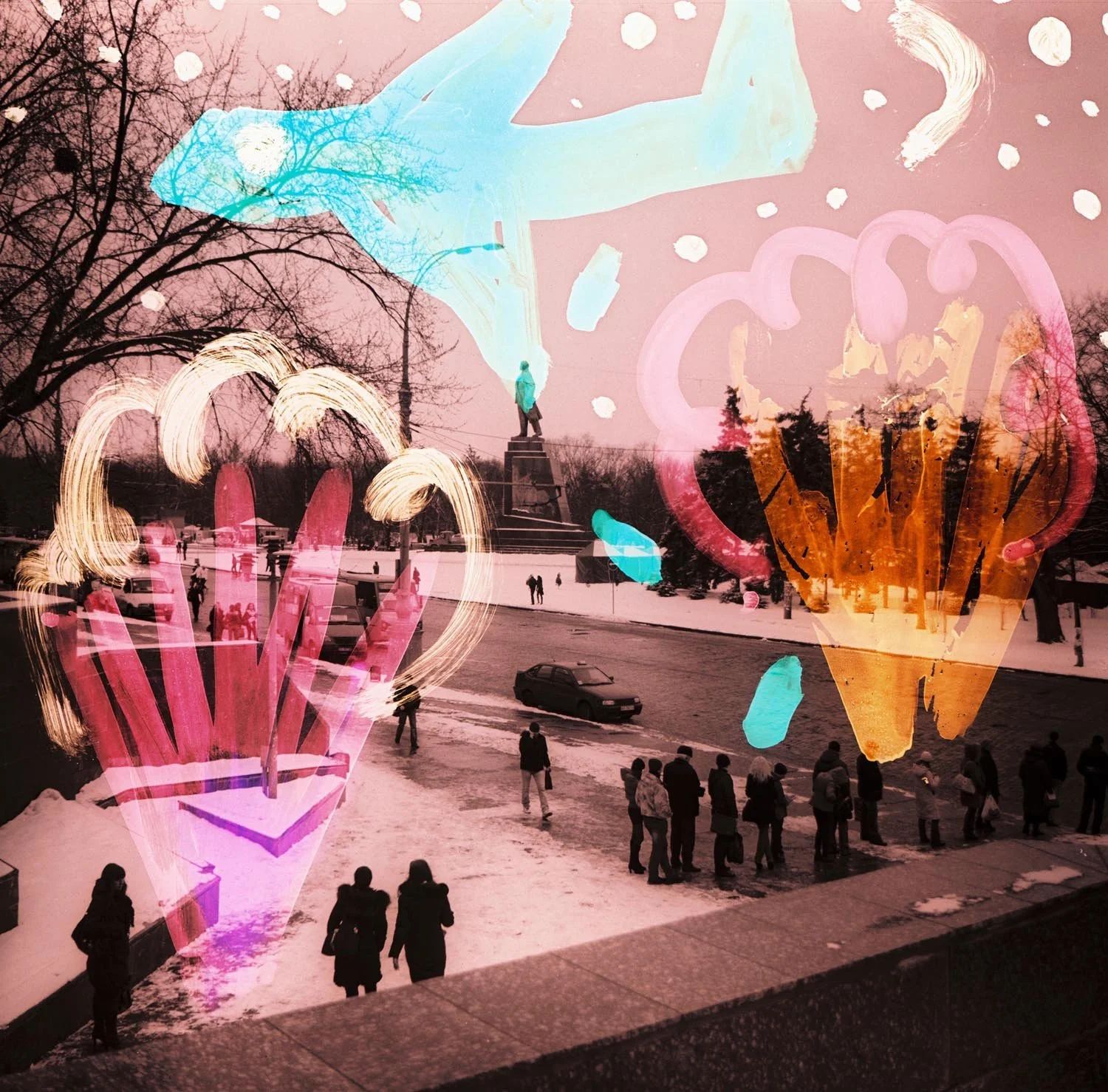
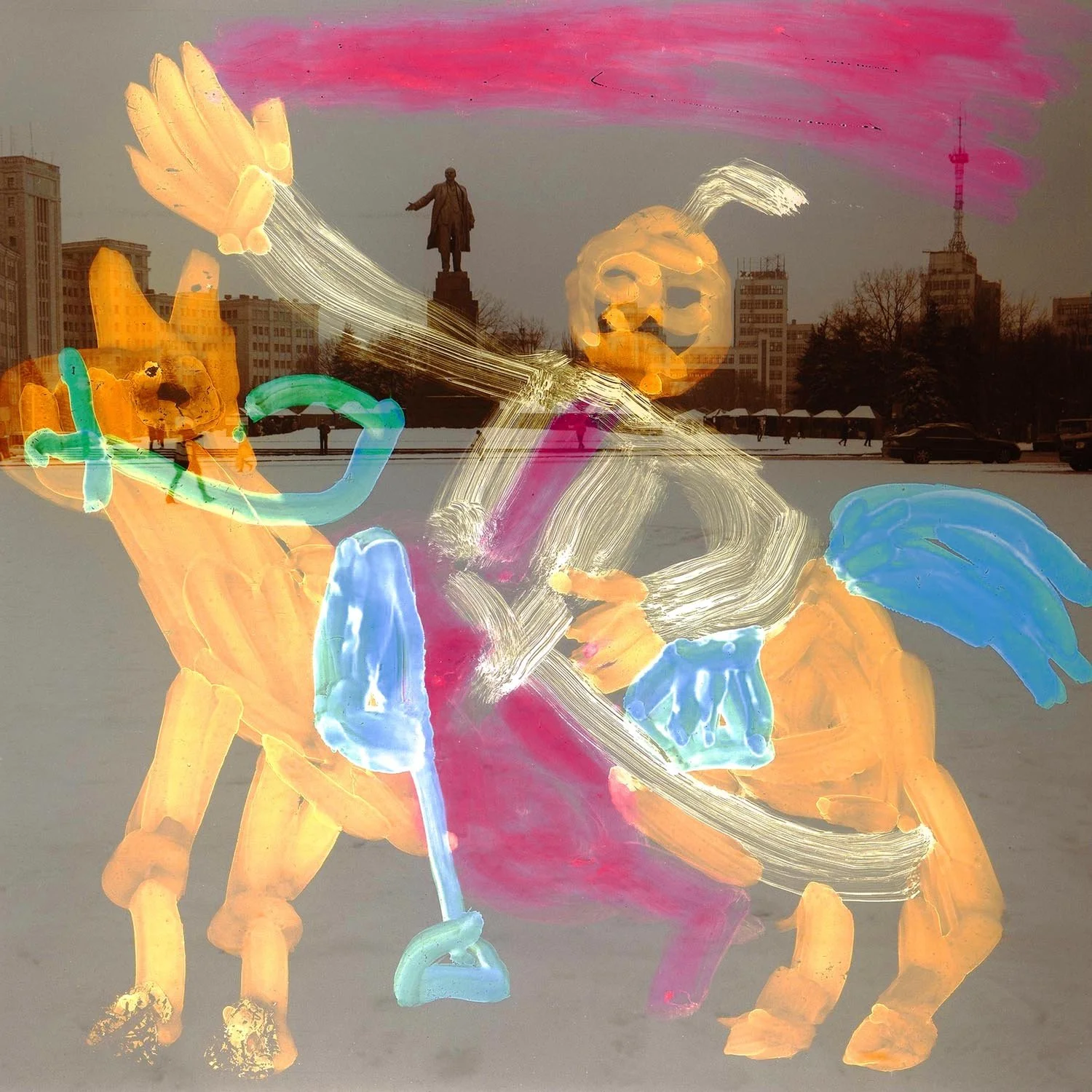
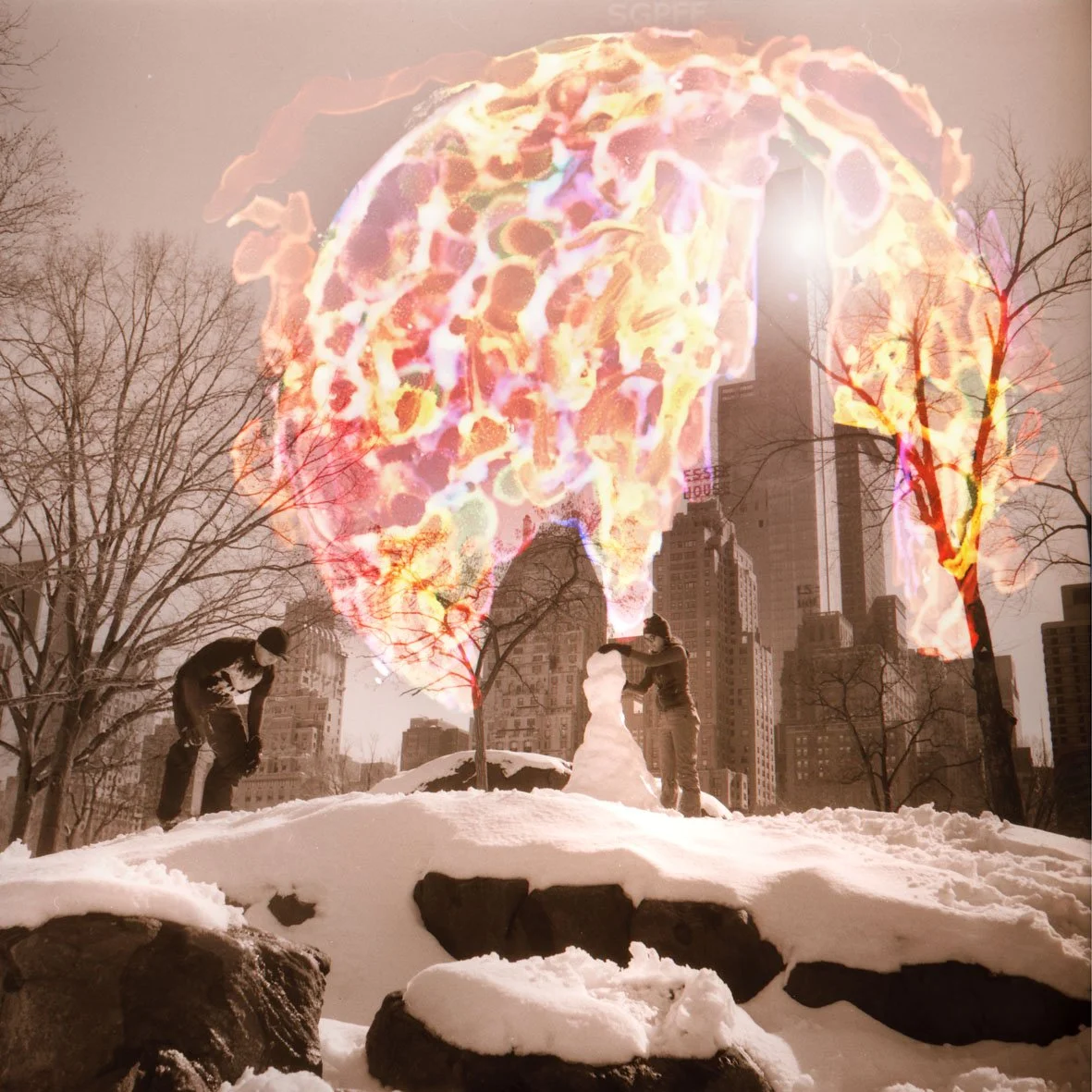
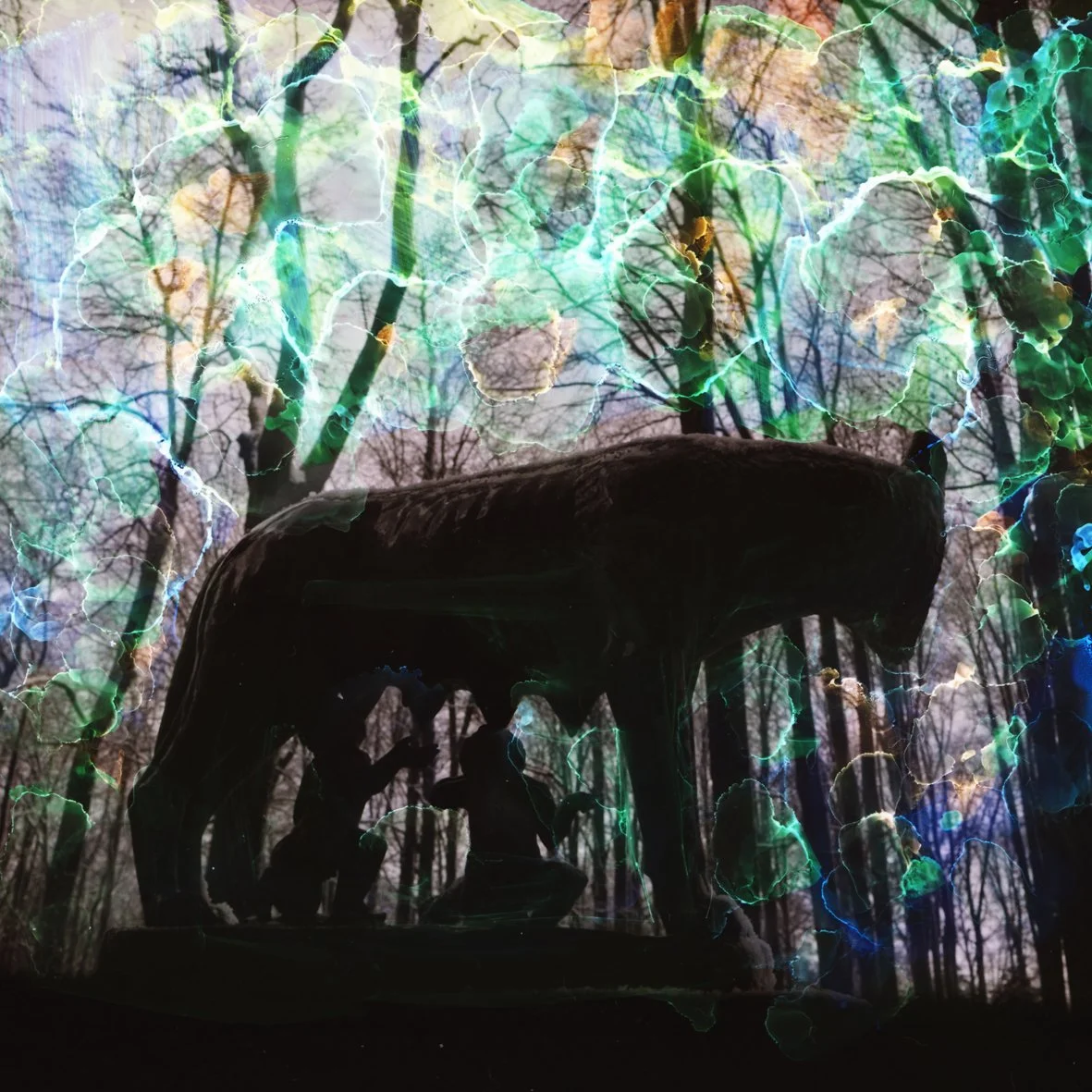
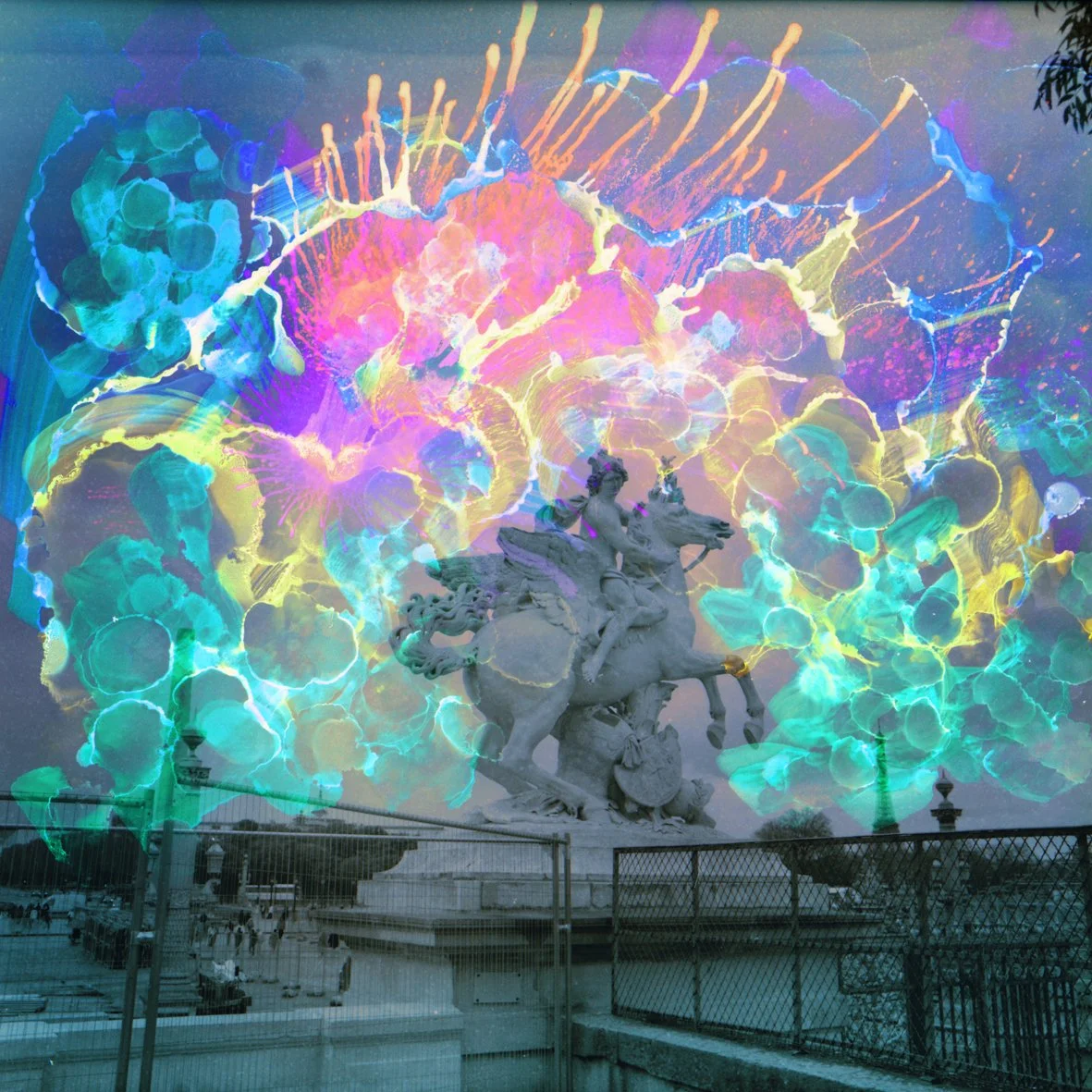
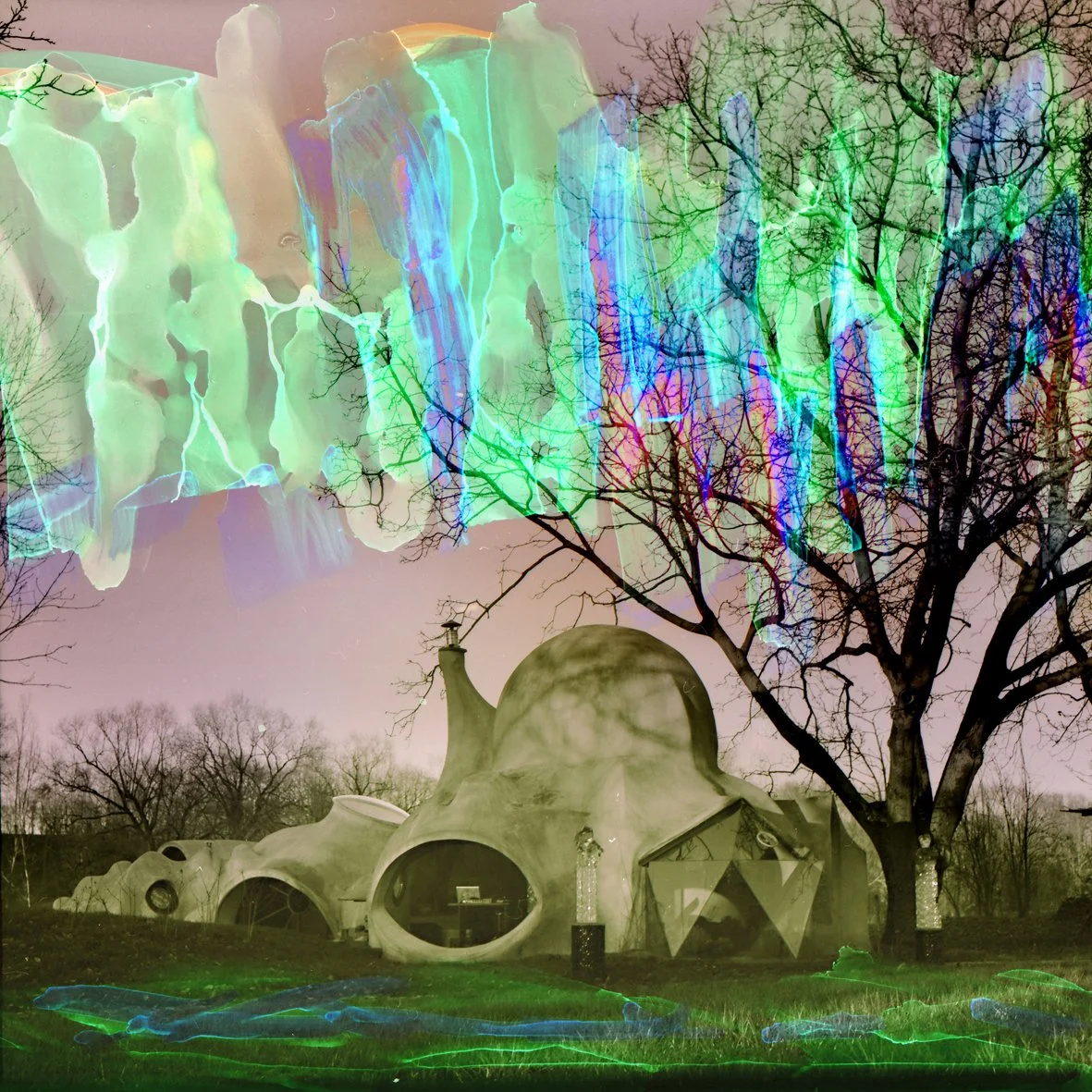
Medium: Inkjet print on film
Installation View
Q&A with the Artist
Please click here
Artist's Bio
Roman Minin (b. 1981) is a monumental artist based in Charleroi, Brussels. He is currently the curator of Maison Bulle.
Please visit the artist’s website for full bio.